Renters Insurance in and around Seattle
Welcome, home & apartment renters of Seattle!
Renters insurance can help protect your belongings

Would you like to create a personalized renters quote?
Helping Protect What You Own In Your Rental Home
It may feel like a lot to think through work, managing your side business, keeping up with friends, as well as savings options and deductibles for renters insurance. State Farm offers no-nonsense assistance and incredible coverage for your pictures, appliances and sound equipment in your rented house. When trouble knocks on your door, State Farm can help.
Welcome, home & apartment renters of Seattle!
Renters insurance can help protect your belongings

Why Renters In Seattle Choose State Farm
You may be wondering if Renters insurance can help you, but what many renters don't know is that your landlord's insurance generally only covers the structure of the apartment. What would happen if you had to replace your valuables can be substantial. With State Farm's Renters insurance, you have a good neighbor who can help when fires or break-ins occur.
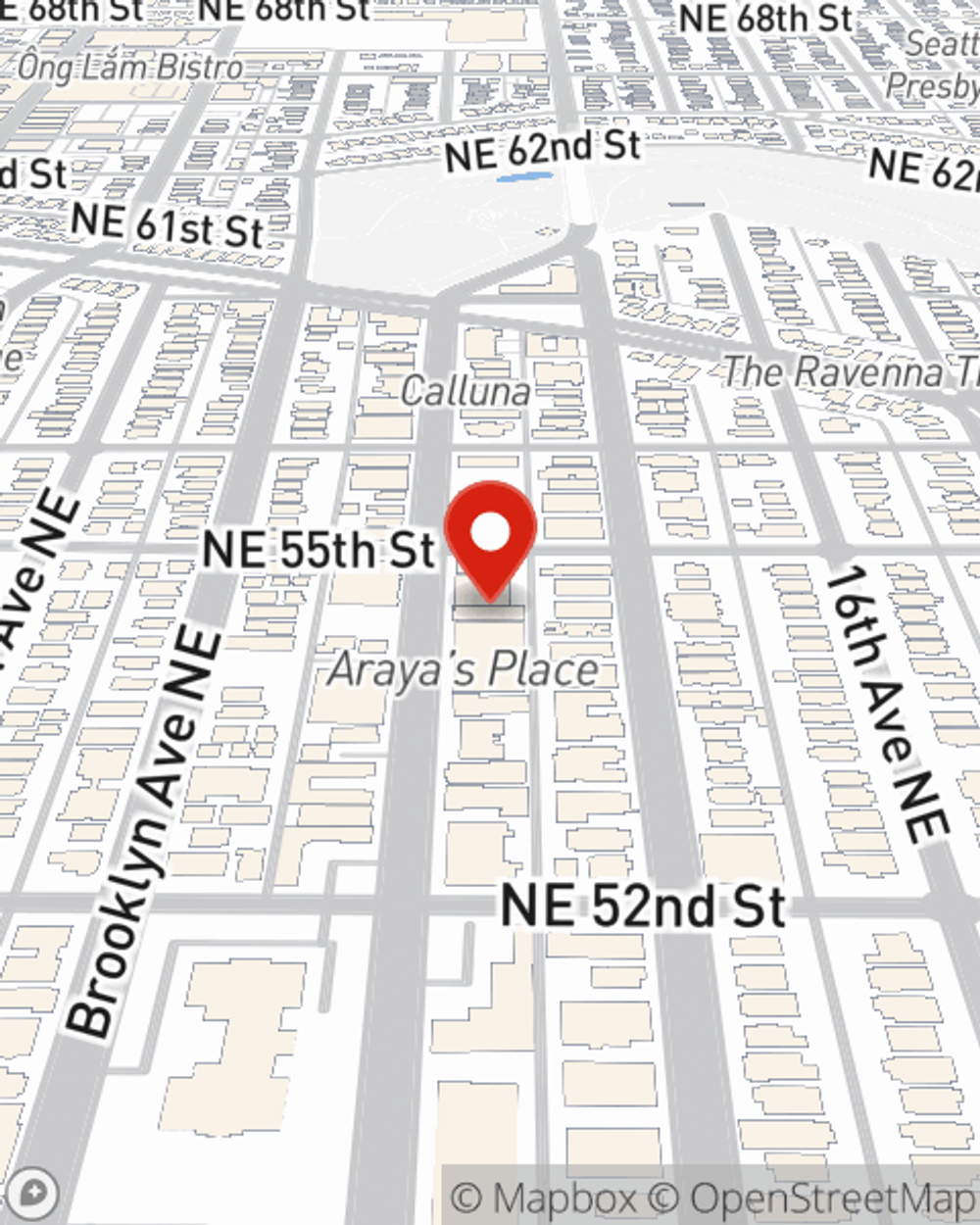
If you're looking for a committed provider that can help you protect your belongings and save, visit State Farm agent Duy Bui today.
Have More Questions About Renters Insurance?
Call Duy at (206) 525-4141 or visit our FAQ page.
Simple Insights®
10 Washing machine maintenance tips
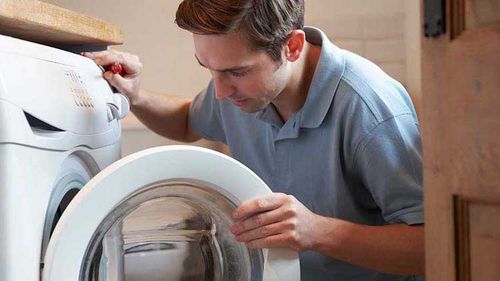
10 Washing machine maintenance tips
Routine washer maintenance can help reduce breakdowns and costly water damage. Learn how to clean your washing machine and more.
Should you DIY your move or hire someone?
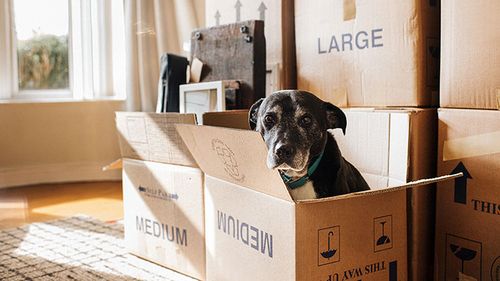
Should you DIY your move or hire someone?
Moves can vary in price — and effort. We walk you through your options, from DIY to full-service professional movers, and provide recommendations for when to opt for each.

Would you like to create a personalized renters quote?
Simple Insights®
10 Washing machine maintenance tips
10 Washing machine maintenance tips
Routine washer maintenance can help reduce breakdowns and costly water damage. Learn how to clean your washing machine and more.
Should you DIY your move or hire someone?
Should you DIY your move or hire someone?
Moves can vary in price — and effort. We walk you through your options, from DIY to full-service professional movers, and provide recommendations for when to opt for each.